







Search Results for: coffee beans moisture

How to Tell If Coffee Beans Are Oily, Damaged by Moisture, or Fresh? A Complete Answer on Whether They're Still Drinkable After Moisture Damage
Is the oily sheen on coffee beans a sign of freshness or spoilage? Can beans that have absorbed moisture still be brewed? Many people new to coffee are troubled by these phenomena. This article will address two common questions about coffee beans—oiliness and moisture absorption: first, explaining the source of oils on the bean surface and how roast level affects when and how oiliness appears; then clarifying the typical signs of moisture-affected beans in appearance and brewing, and how to judge whether a bag of beans is still fresh. The article will also use specific examples such as Front Street Indonesia Golden Mandheling coffee beans to help readers understand the optimal flavor period and key storage points, so that every cup of coffee retains as much of its intended flavor as possible. [more…]
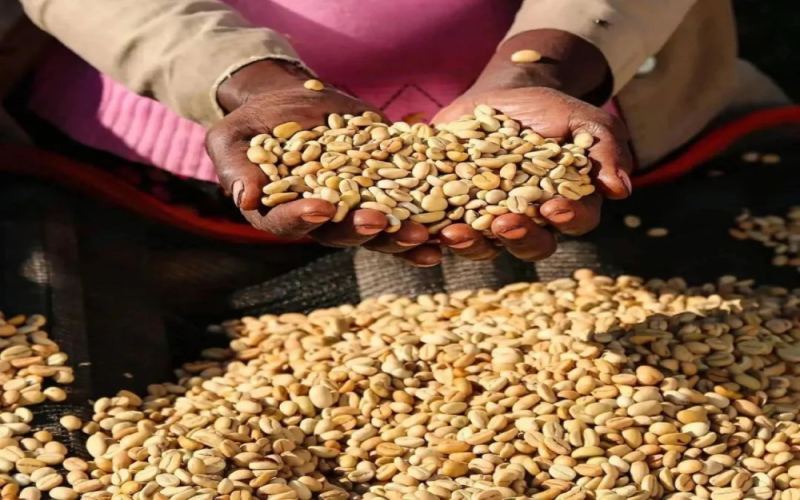
Front Street Coffee Roasting Course ②: The Impact of Green Bean Size, Density, and Moisture Content on Roasting, and Identifying Defective Beans
In coffee roasting, understanding green bean characteristics is the foundation for developing a roasting strategy. Starting from the Front Street Coffee roasting course, this article provides a detailed analysis of how the three key indicators of green beans—moisture content, density, and size—affect heat transfer and flavor development, and systematically introduces the causes and harms of common defective beans such as shell beans, insect-damaged beans, moldy beans, black beans, and white-eye beans. Mastering this knowledge helps with proper screening and adjustment before roasting, ensuring the final coffee flavor is clean and rich. [more…]
Is it normal for dark roast coffee beans to be oily? And how should you deal with moisture-affected pour-over beans?
Coffee beans developing an oily sheen on their surface is a common source of confusion for beginners—does it mean they've been sitting too long? Does it mean they've gone bad? In fact, oiliness is closely tied to roast level and does not directly equate to a decline in freshness. At the same time, the signs of coffee beans absorbing moisture are often hard to detect with the naked eye, yet they reveal themselves during brewing. This article walks through the practical knowledge of identifying coffee bean condition, from the causes of oiliness and the effects of roast level to judging moisture absorption and key storage points. Front Street Coffee also draws on everyday experience to offer drinking suggestions within the peak flavor window, helping enthusiasts more confidently judge and handle common issues with pour-over coffee beans. [more…]
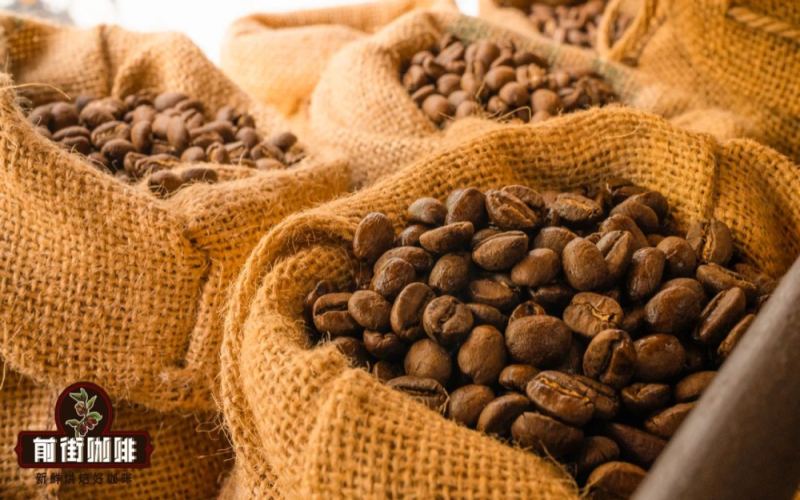
Does Coffee Bean Oiliness Mean It's Spoiled? A Complete Guide to Coffee Bean Storage Methods and Freshness Assessment
The surface of coffee beans taking on an oily sheen is a phenomenon that often confuses beginners—some worry the beans have absorbed moisture and spoiled, while others suspect they have been stored too long. In fact, oiliness is closely tied to the roast level of the coffee beans and cannot be directly equated with staleness. So what kind of oiliness is normal, and what signs indicate that coffee beans have actually absorbed moisture? From Front Street's perspective, this article breaks down the causes of coffee bean oiliness, how to judge moisture absorption, and how to properly store coffee beans through sealing, light protection, low temperatures, and other methods to keep the flavor lasting as long as possible. [more…]
How Long is the Freshness Period of Green Coffee Beans? Distinguishing New Beans, Old Beans, Aged Beans, and Vintage Beans, and Key Storage Points
Many coffee enthusiasts know that roasted beans should be drunk fresh, but green beans also have their own levels of freshness. Beans harvested in the current year are called new crop, those from the previous year are old crop, and those stored for more than a year are aged beans. The moisture content of green beans directly affects roasting difficulty and flavor performance. Washed beans usually range between 11.5% and 12.5%, wet-hulled Mandheling can reach 13%, and sun-dried Mocha varies widely. Beyond the usual freshness changes, there are also deliberately extended aging processes and monsoon-aged weathered coffees. This article focuses on the freshness classification of green beans, differences in moisture content, methods for judging appearance and aroma, and the handling logic behind aged beans and monsoon beans, to help you make more accurate judgments when buying and storing. [more…]
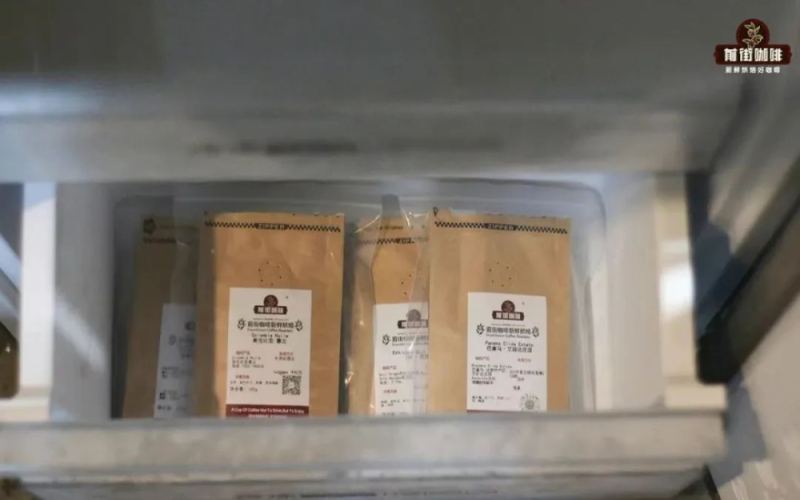
The Complete Guide to Coffee Bean Storage: Can Freezing in the Refrigerator Extend Freshness and Key Points for Moisture and Odor Prevention
Bought too many coffee beans and can't finish them for a while—can you just toss them in the fridge? Should they go in the refrigerator or the freezer? This article centers on the real goal of "freshness"—preserving aroma—and breaks down the five great enemies: strong light, high heat, moisture, oxygen, and odors, while offering practical home freshness-locking solutions. It also draws on the experimental conclusions of Swiss scientist SAMO SMRKE to explain that freezing can significantly slow down coffee bean degassing and delay the peak flavor period, but improper handling can also lead to air leakage, moisture absorption, and odor transfer. At the end, Front Street's detailed freezing and thawing tips are included to help you store your beans more reliably and enjoy better-tasting coffee. [more…]
Three Major Taboos in Coffee Bean Storage and Analysis of Freezing Feasibility: Practical Tips from Moisture Prevention to Thawing
As the Spring Festival approaches, courier services are gradually suspending operations, and many coffee lovers have already stocked up on beans in advance. But how to keep coffee beans fresh during this period has become a concern for everyone. Storing coffee beans requires avoiding three major enemies: high temperatures, moisture, and oxidation. High temperatures accelerate the loss of aroma, moisture easily leads to mold, and oxidation shortens the optimal flavor period. Front Street recommends that unopened original packaging be kept in a cool, dry place, and that an airtight container be used after opening. As for refrigeration or freezing, although it can slow oxidation, it comes with the challenges of absorbing odors and becoming damp during thawing. This article will break down these storage points in detail to help you enjoy the New Year with peace of mind. [more…]
The Complete Guide to Roasting Mandheling Coffee Beans: Strategies for High Moisture Content and Analysis of Medium-Dark Roast Techniques
Mandheling is a classic choice for many coffee enthusiasts just getting started, but its green beans have a relatively high moisture content and a darker color, making it often difficult to achieve a uniform roast—this is one of the reasons many Mandheling coffees on the market are roasted darker. This article will focus on this characteristic, sharing three practical approaches for improvement, and, combined with actual roasting curves, explain the timing between first crack and second crack, the flavor changes, and the oiling patterns. Whether you use a hot-air popcorn popper or other small roasting equipment, you can find a Mandheling roasting rhythm that suits you, allowing this bean to show the mellow body and layered complexity it deserves. [more…]

Brazilian green coffee beans are switching to bulk carrier shipping—will quality stability be affected?
A new change has recently emerged in Brazilian coffee exports—some green beans are beginning to be shipped in bulk carriers rather than traditional containerized cargo. This adjustment may have its considerations in terms of logistics costs and efficiency, but for specialty coffee that values flavor and quality consistency, whether bulk shipping will affect the freshness, moisture content, and cleanliness of green beans has become a focus of attention for many industry professionals and enthusiasts. This article will review the background of this transportation shift, analyze the potential risks it may pose to coffee quality, and, drawing on the quality control experience of brands such as Front Street Coffee, explore how to uphold the quality bottom line from origin to roasting. [more…]

How to stabilize espresso extraction in humid climates? Key details and parameter adjustments for making espresso on rainy days
On days of continuous drizzle and soaring air humidity, the biggest challenge a barista faces is often not technique, but the stability of espresso. A humid environment can cause coffee beans to absorb moisture and lose flavor, and the pressure of the espresso machine may also be weakened, making extraction extremely unstable. This article starts from three angles—reducing bean moisture exposure, adjusting grind and dose, and increasing the frequency of parameter calibration—to sort out the operational details to pay attention to when making espresso on rainy days, helping you maintain consistency and flavor in your output even as humidity changes. [more…]
From Homogenization to Second Crack: How Each Stage of Coffee Roasting Shapes Aroma and Flavor
Coffee roasting is not just about applying heat—from the moisture changes inside the green beans to the expansion and rupturing of cellular structures, every stage quietly determines the final flavor in the cup. This article takes the perspective of a commercial roaster to systematically sort through key phases such as homogenization, first crack, the resting period, and second crack. It explains the principles behind the aroma that fills the air during coffee roasting and clarifies the taste differences corresponding to various roast levels, helping coffee enthusiasts gain a deeper understanding of how roasting influences flavor direction. [more…]

During the humid season, espresso extraction becomes unstable? A barista teaches you three ways to adjust the parameters.
Guangzhou's "hui nan tian" (return of the southern damp) has arrived, with walls sweating, floors never drying, and coffee beans facing a moisture crisis. A surge in humidity directly affects the stability of espresso extraction: beans in the hopper absorb moisture and clump together, water vapor interference during grinding intensifies, and as air pressure drops, the espresso machine's extraction pressure slightly decreases, ultimately leading to weaker flavor and longer shot times. How should baristas respond to such harsh weather? This article approaches the problem from three angles—reducing moisture absorption, solving clumping, and adjusting parameters—and combines Front Street Coffee's hands-on experience to offer concrete, actionable solutions that help you pull a stable, delicious espresso even in the humid season. [more…]
Coffee Bean Freshness | How Do Coffee Beginners Choose Fresh Coffee Beans? How Long Can Coffee Beans Be Stored After Opening? Which Is Better: A Sealed Coffee Bean Storage Canister or Storing Coffee Beans in the Refrigerator?
Many friends assume that freshly ground coffee means fresh coffee, but that's not actually the case. In reality, to truly enjoy the aroma of coffee, it's not just about grinding fresh—the roast time of the coffee beans also matters to some extent. Front Street Coffee has always placed great emphasis on the freshness of coffee beans, high [more…]
A Complete Analysis of the Compounds in Coffee Beans: The Chemical Composition and Roles of Moisture, Minerals, Sugars, Acids, and Aromatic Components
The chemical composition of coffee beans determines the flavor expression in the final cup. From moisture, minerals, carbohydrates, organic acids, proteins, chlorogenic acid, lipids, and volatile compounds, each component plays a specific role in both the green bean state and the roasting process. Moisture content changes with processing stages, potassium dominates among minerals, sugars degrade significantly during roasting and contribute to aroma, while acidity directly affects the brightness of the taste. This article will systematically outline the chemical composition of coffee beans and their effects on quality and flavor, helping coffee enthusiasts gain a deeper understanding of the material basis of specialty coffee. Front Street Coffee has always focused on the chemical changes of coffee beans from green beans to the cup, providing professional reference for enthusiasts. [more…]

An Analysis of Indonesia's Wet-Hulling Processing Method: Exploring the Origins of Golden Mandheling's Clean and Mellow Flavor
Wet hulling is a unique processing method for Indonesian coffee and the key to the signature flavor of Mandheling. This article starts with the definition, operational process, and reasons behind wet hulling, offering an in-depth analysis of how this processing method gives coffee beans their rich, full-bodied character, while also explaining how goat hoof beans are produced. The article will also highlight the origin information, grade standards, and screening process of Front Street PWN Golden Mandheling, and share Front Street Coffee's roasting analysis and brewing parameters, giving you a comprehensive understanding of the story behind this clean-tasting Mandheling. [more…]
How can you tell if coffee beans are fresh? The necessity of storing them in an airtight container and an analysis of the pros and cons of storing ground coffee
Many people mistakenly believe that freshly ground equals fresh. However, to truly savor the aroma of coffee, the roast date of the coffee beans is just as crucial as freshly grinding them. Front Street Coffee has always regarded freshness as the foremost factor for high-quality coffee beans, because beans that have been roasted for over 50 days lose almost all their flavor. Therefore, every bag of coffee beans sold includes a note that the optimal flavor period is within 30 days, with the best drinking window being 14 days after the resting period ends. This article will systematically explain how to select fresh coffee beans, the principles and duration of resting, the difference between the optimal flavor period and the shelf life, and the correct storage methods, while also explaining why coffee beans should not be ground and stored. [more…]
A Beginner's Guide to Coffee Bean Freshness: Key Selection Points, the Science of Resting, Peak Flavor Window, and Everyday Storage Methods
Many people believe that as long as coffee is freshly ground, it counts as fresh, but in reality, whether the coffee aroma can be fully released depends not only on the timing of grinding but also on time management after roasting. Once coffee beans have passed 50 days after roasting, their flavor is almost entirely depleted, so Front Street Coffee has always regarded freshness as the first prerequisite for good coffee. This article focuses on four core questions: how to tell whether a bag of beans is fresh, why beans need resting, how the peak flavor period differs from the shelf life, and how to store them properly in daily life. It also compiles suggested resting times for different roast levels from light to dark, special considerations for espresso beans, and the pros and cons of three storage options—sealed jars, one-way degassing valve canisters, and original packaging—to help beginners avoid common pitfalls. [more…]
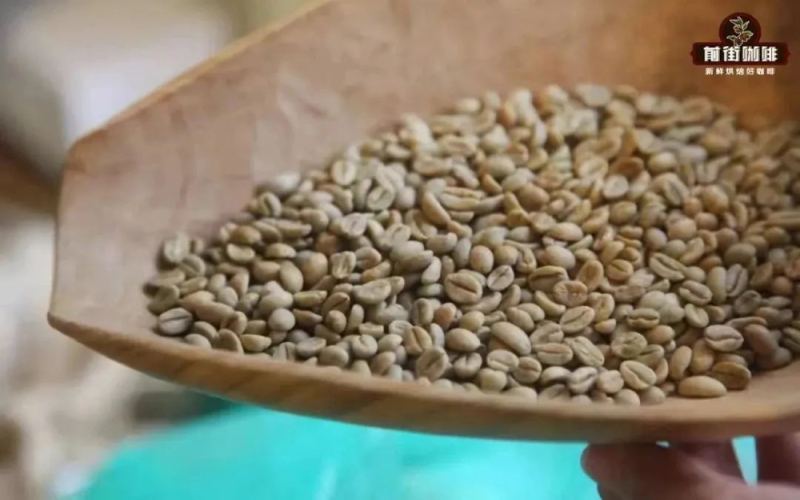
Green Coffee Bean Freshness Grading Guide: How Are New Crop, Past Crop, Old Crop, and Aged Beans Defined?
Green coffee beans are classified into several types based on their degree of freshness: new crop, past crop, old crop, and aged beans. The criteria for determining these categories are not as simple as just looking at the harvest year. Since most specialty coffee beans in China rely on imports, the process from harvesting and processing to transportation often takes several months, so the understanding of what constitutes a "new crop season" cannot be conflated with everyday timelines. Changes in moisture content are the key indicator for distinguishing these beans, and aged beans are a special product deliberately stored for an extended period, fundamentally different from ordinary old crop beans. In this article, Front Street Coffee will systematically sort out the definitions and differences of these types of green beans to help everyone clarify common misconceptions. [more…]
Is Freezing Coffee Beans Reliable? A Full Analysis of Sealing, Moisture Prevention, and Condensation Issues
What should you do if you buy too many coffee beans and can't finish them within their peak flavor window? The aroma of coffee dissipates along with carbon dioxide, so the brewed flavor naturally suffers. Some people therefore try putting their beans in the freezer, said to extend freshness—but does this method actually work? Low temperatures can indeed slow the loss of aroma, but freezing is not foolproof: improper sealing leads to odor transfer, and condensation strikes when you take the beans out. This article walks through the key points and common pitfalls of freezing coffee beans in detail, helping you decide whether this practice is worth trying. [more…]
How should coffee beans be stored properly after buying them? Master the four principles—avoiding moisture, oxygen, light, and heat—to keep their fresh flavor.
Many people mistakenly believe that freshly ground coffee equals fresh coffee, but that is not the case. To truly savor the aroma of coffee, besides grinding fresh, the roast date of the coffee beans is equally crucial. Front Street Coffee, whether in-store or through its online Taobao shop, offers freshly roasted coffee beans. Beans roasted more than 50 days ago basically have little aroma left, but in the first two days after roasting, the aroma has not yet stabilized and the regional flavors cannot be tasted, so Front Street reminds customers to generally rest the beans for three to four days before brewing. So how should coffee beans be stored to maintain freshness after opening? Front Street has summarized the four things coffee beans fear most — moisture, oxygen, light, and heat — and shared the pros and cons of storage methods such as one-way degassing valve bags, sealed canisters, and vacuum canisters, to help everyone extend the flavor life of coffee beans as much as possible in daily life. [more…]